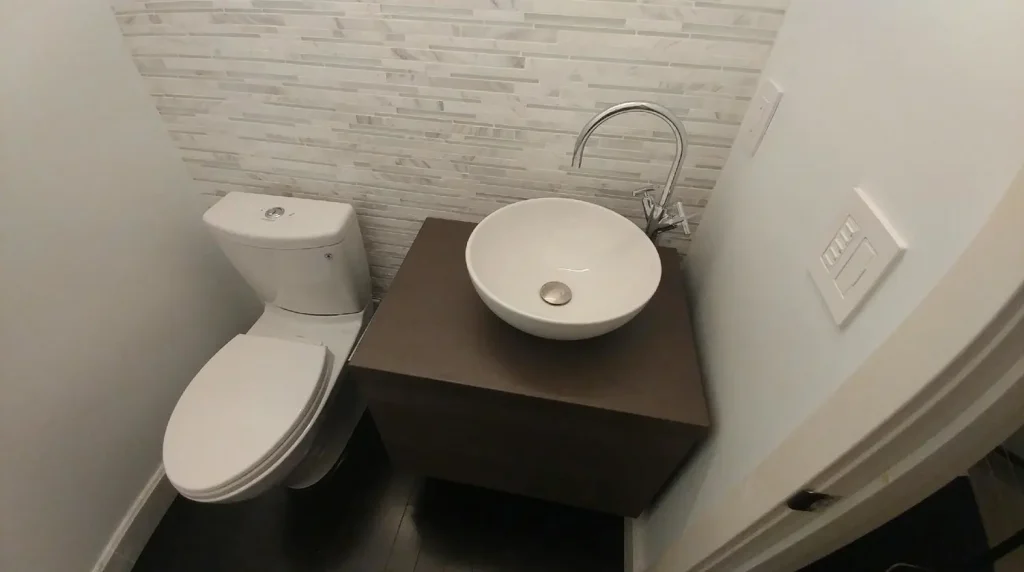
Abandoned by another contractor, this project was completed when AmyWorks swept in and finished the job! This remodeled bath includes new mosaic floor-to-ceiling tile, vessel sink, and marble baseboard. Mission accomplished!
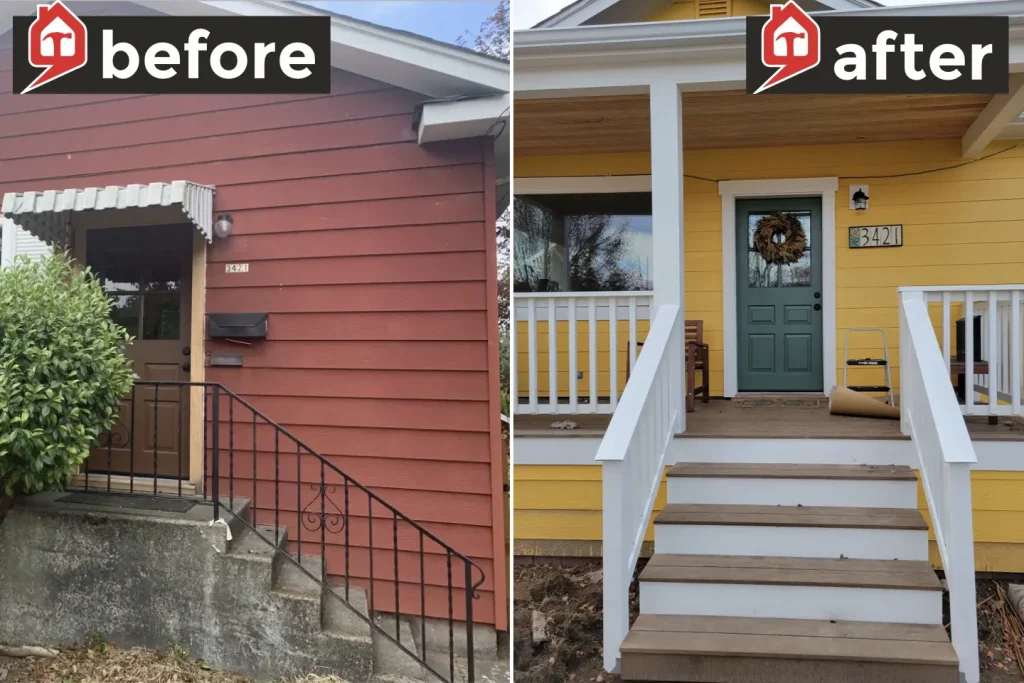
Front Porch Add-On
A welcoming remodeled doorstep now graces this home, making it as fun to come home to as it is fun to visit. Experience the pleasure of coming home to a beautifully remodeled entryway.
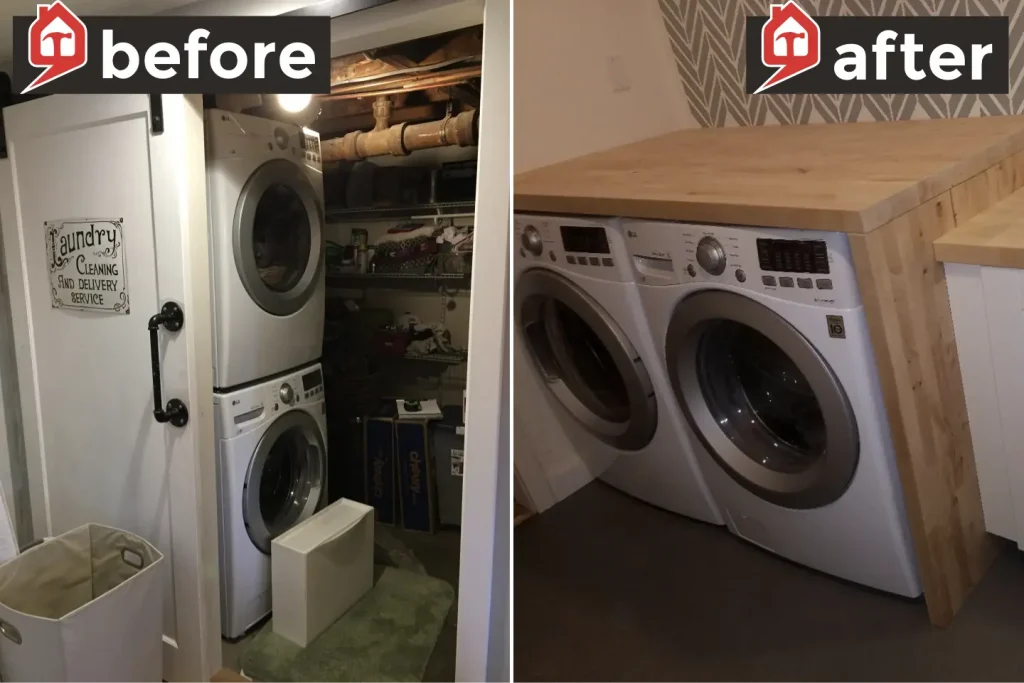
Clean & Bright Remodeled Basement Laundry Room
From dark to light – this new basement laundry room features chevron wallpaper, butcher block counter tops, marmoleum flooring and an undermount sink – for a bright & clean look.
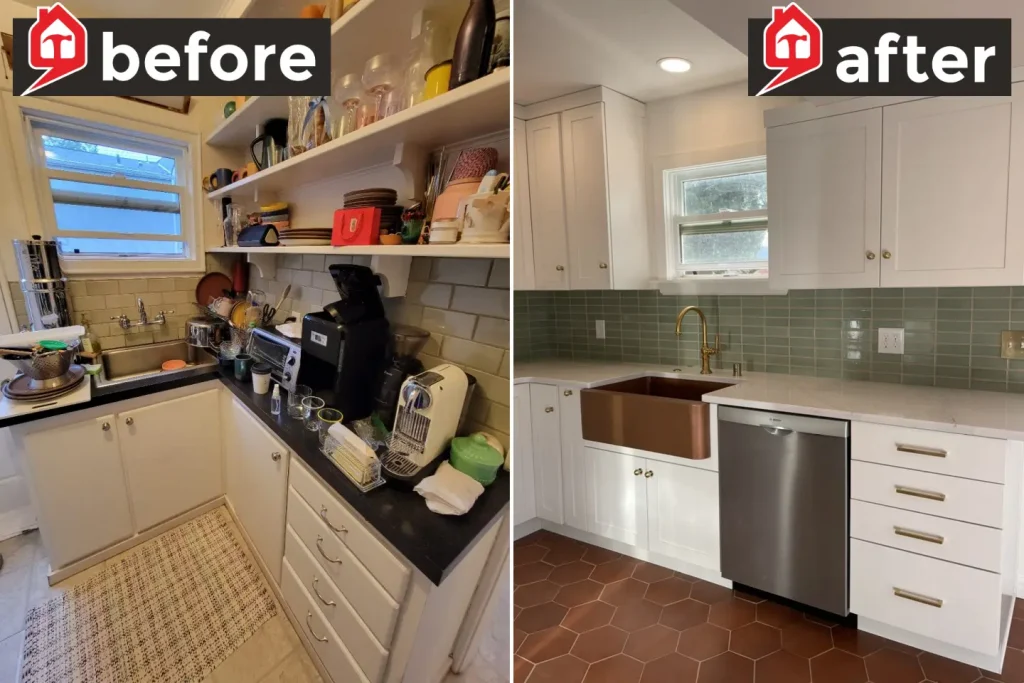
Light Colors with Copper Built-Ins
White quartz counters with a copper-clad sink and vent-a-hood combine modern and nostalgic styling for solid footing in the culinary world. A well-designed kitchen renovation can significantly increase the value of your home.
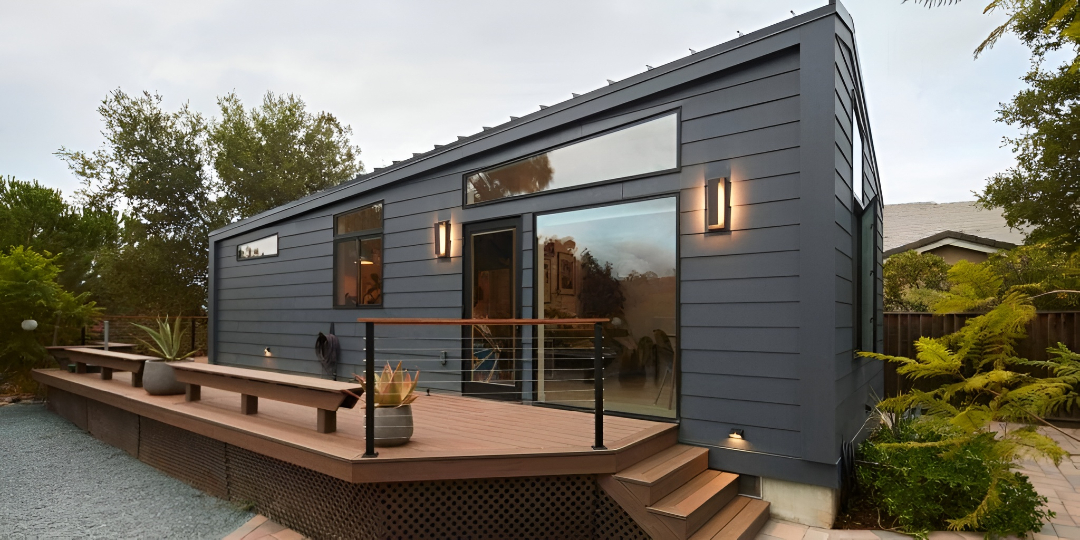
A Separate Space for Many Uses
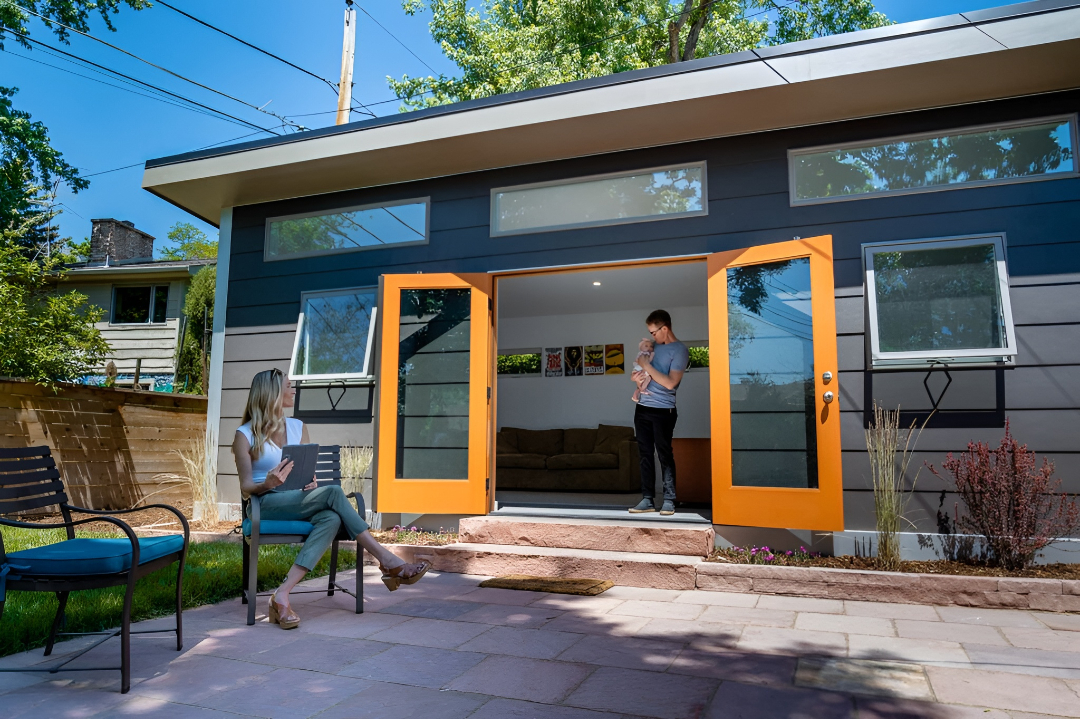
This detached accessory dwelling provides an independent secondary living space for guests, offering privacy for parties, or short and long-term stays. DADUs can reduce pressure on housing density and make affordable rentals possible in high-priced markets.
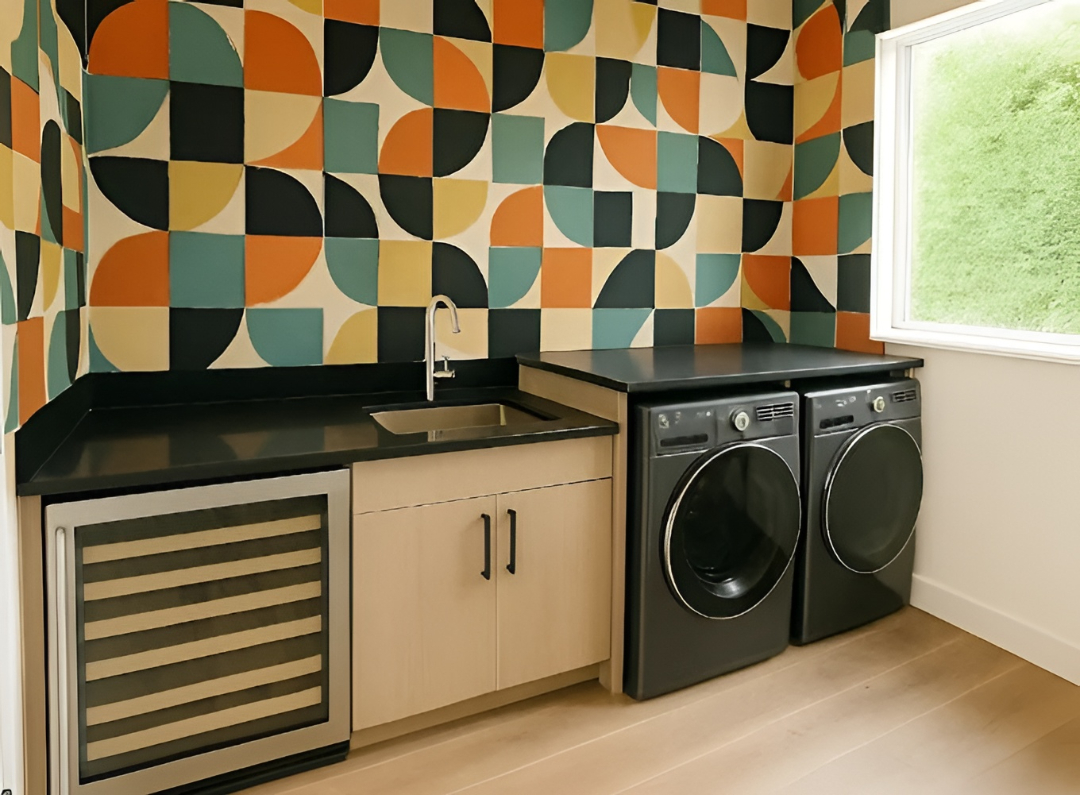
Marvelous Garage Makeover
This remodeled garage adds color and functionality. A garage makeover can be a game-changer for your home. With a creative remodel, you’ll have a striking and practical space.
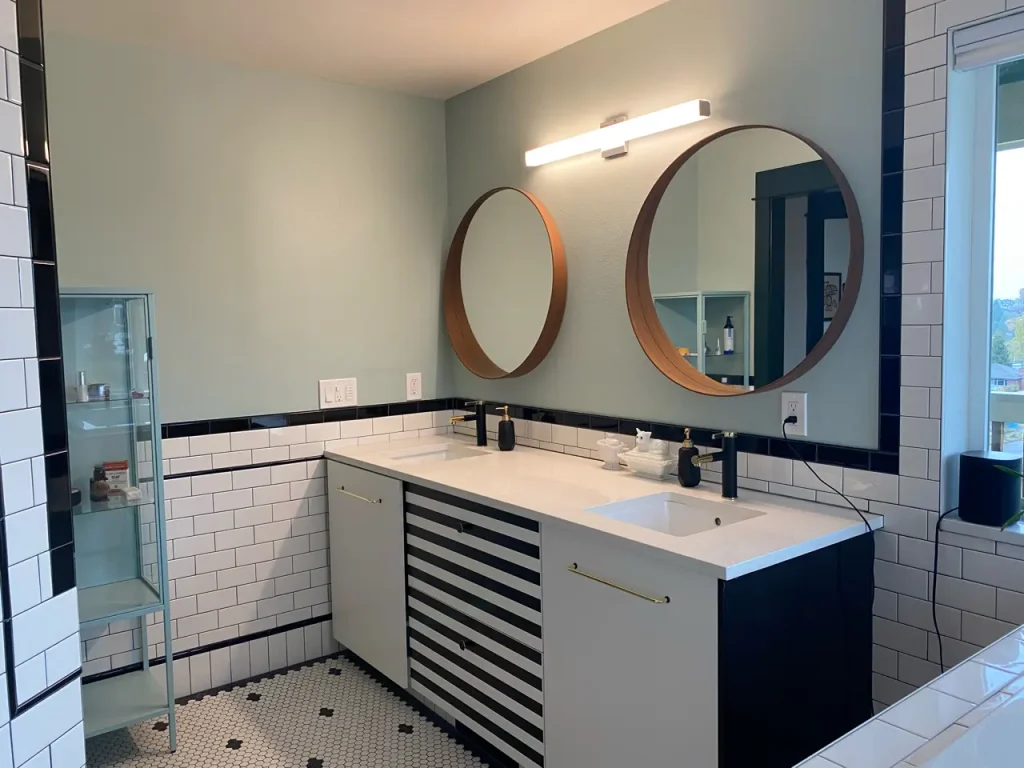
Expert Bathroom Remodeling in the Seattle Area
Your bathroom should be a place of comfort and relaxation, providing a personal retreat within your own home. Whether you’re looking to make the most of your current bathroom space or want to add a new bathroom as part of a basement remodel, AmyWorks is ready to help. Our crew has the experience and expertise to deliver professional bathroom remodeling, kitchen renovation, ADU and DADU construction services that will bring your unique vision to life and transform your home!
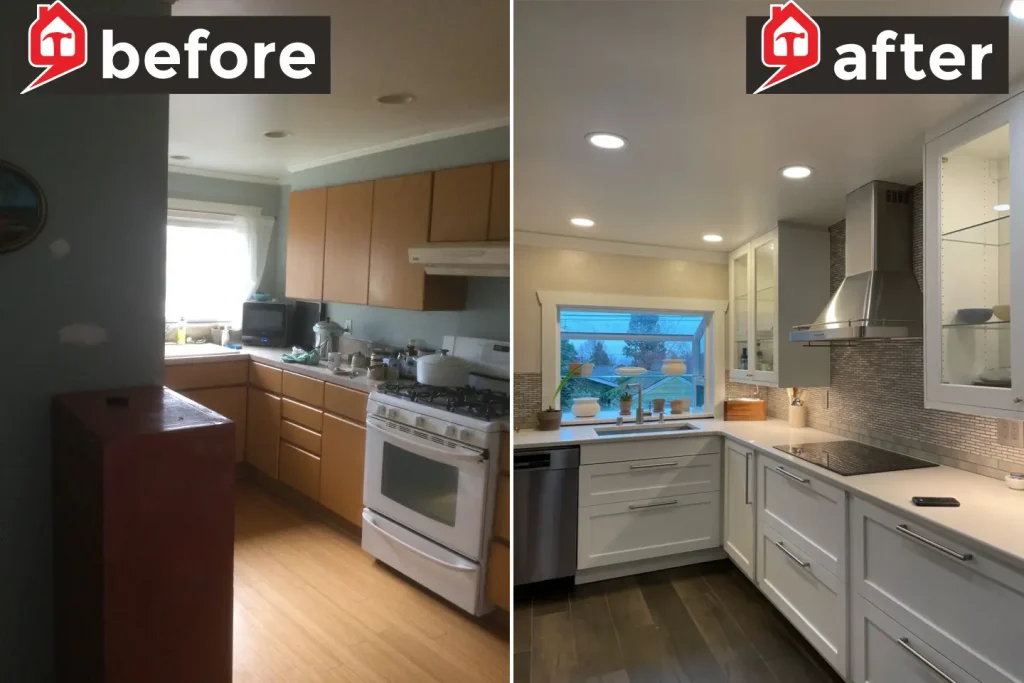
Kitchen Redesign Combines Whites & Stainless Steel for a Modern Look
A kitchen makeover featuring updated stainless steel appliances including a cooktop, sink, and range hood transforms the heart of this home. Built-in
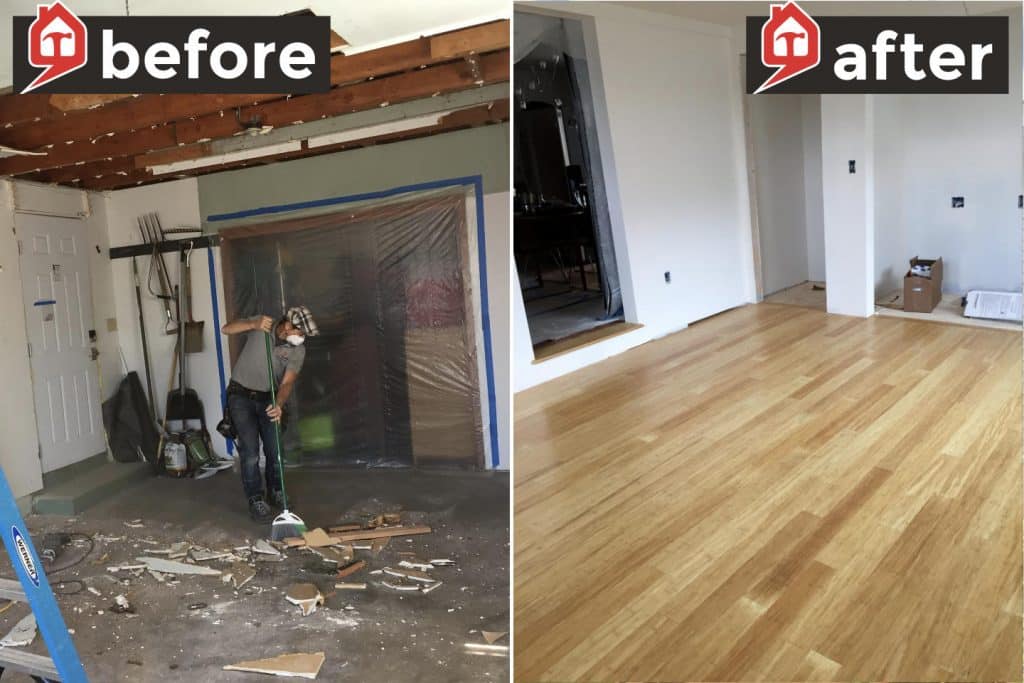
Transforming a Garage into a Music Room with Bath
AmyWorks transformed a garage into a musical space! We fully renovated this garage, adding resilient click-lock bamboo flooring. The newly remodeled adjacent bathroom features a dual sink vanity and walk-in shower.
Amyworks vip homemaintenance club
Enjoy Peace of Mind Prevent costly repairs with expert quarterly maintenance, clear reports, and a structured system designed to protect your home year-round. Home Maintenance Overview Proactive Care for Your Home Proactive care that protects your home year-round with confidence. Interior Maintenance Safe, Efficient, and Comfortable Living Interior maintenance keeps your home safe and efficient. Routine checks detect leaks, wear, and hidden issues early, preventing costly repairs while maintaining comfort, cleanliness, and long-term reliability inside your home. Exterior Maintenance Protecting Your Home’s Exterior Shell Exterior maintenance tasks include visual roof inspection from ground level, inspecting siding and trim, checking hose bibs, inspecting foundation vents, performing exterior inspections, drain checks, plumbing review, and monitoring seasonal wear. Mechanical Systems Maintenance Keeping Critical Systems Running Smoothly Mechanical systems maintenance includes replacing the furnace filter, inspecting water heater connections, cleaning the dryer vent, checking bathroom exhaust fan operation, and ensuring ventilation checks are completed. Home Protection Benefits Why Ongoing Maintenance Matters Your home is likely the biggest investment you’ll ever make — and like your car, it needs constant care and maintenance to keep it in tiptop shape. The AmyWorks VIP Home Maintenance Club is designed to protect that investment, reduce costly surprises, and give you confidence that nothing important is being overlooked. Most homeowners don’t lack intention — they lack time, structure, and a reliable system. Small issues quietly turn into expensive repairs simply because no one was checking. Our VIP Home Maintenance Club replaces guesswork with a proactive, professional approach. Through scheduled quarterly visits, we monitor your home’s condition, perform essential seasonal maintenance, and document what’s working well — and what may need attention down the road. This isn’t a handyman popping in with a checklist downloaded from the internet. It’s a program built by a licensed general contractor with decades of experience maintaining, repairing, and remodeling homes in our region. We know where homes fail, what ages poorly, and which early warning signs matter. Key Outcomes You’ll Experience The Result Most importantly, you gain peace of mind — knowing a professional is keeping watch over your home year-round. Whether you plan to live there for decades or sell in the future, the AmyWorks VIP Home Maintenance Club helps your home perform better, longer, and with fewer surprises. Quarterly Home Maintenance Checklist (Excerpt) What We Check Every Visit Interior Exterior Mechanical Systems Skilled Technicians with Real Building Knowledge Experienced Technicians — Not Just “Maintenance Workers” All quarterly inspections are performed by experienced AmyWorks technicians trained to see your home through a builder’s lens. They understand how systems interact, where failures typically begin, and what small signs often precede major repairs. Every technician is background-checked, professionally trained, and backed by AmyWorks’ standards — not independent contractors with inconsistent quality. No Surprises Clear Reports, Honest Guidance, No Hidden Costs Transparency is core to the program. Every visit includes documented findings, photos when helpful, and clear explanations. If we see something developing, you’ll know early — with honest guidance on urgency, options, and budget ranges. No scare tactics. No hidden agendas. No surprise invoices. Seasonal Maintenance Done for You Quarterly, Season-Specific Tasks Each quarter includes season-specific tasks such as: Why You Need the AmyWorks VIP Home Maintenance Club Protect Your Home Investment Protect your home investment with proactive maintenance, fewer surprises, and clear long-term planning year-round. Planned Because peace of mind isn’t reactive — it’s planned. Care Because your home deserves professional care. Prevention Because small maintenance today prevents big repairs tomorrow. Call to Action We Handle Everything So You Can Enjoy Your Home Join the AmyWorks VIP Home Maintenance Club today. Spaces are limited. Every major and minor element of your home — from plumbing and electrical to ventilation, doors, finishes, and seasonal wear — is monitored, maintained, and documented. Let AmyWorks handle the details, so you can simply enjoy your home.